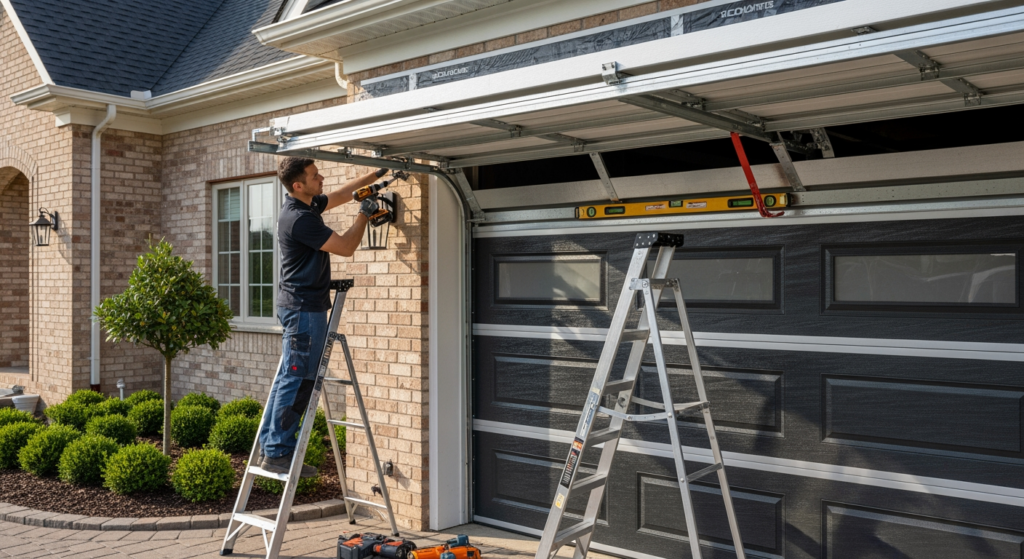
If you’re planning an upgrade that improves curb appeal, comfort, and daily convenience, a properly done Garage Door Installation is one of the best projects to tackle. For homeowners thinking about energy savings and long-term value, the U.S. Department of Energy has practical guidance on home efficiency that can help shape your choices when upgrading garage systems U.S. Department of Energy.
How to choose the right garage door
Choosing a new garage door feels like picking a new outfit for the house: you want something that fits the style, handles the weather, and works reliably every day. Start by thinking about three big things: material, style, and how the door will be used. I walk homeowners through these factors so they end up with a door that looks great and performs even better.
Materials and style
Materials matter for appearance, insulation, and longevity. Steel is the most popular because it’s durable and often the most budget-friendly. Wood delivers classic looks but needs more maintenance. Aluminum is lightweight and resists corrosion, which is handy in coastal neighborhoods. Insulated composite panels give you the look of wood without the upkeep, which is ideal if your garage is attached to living space or you want better climate control.
Style choices include traditional raised panels, carriage-house designs, and modern full-view glass doors. Think about what matches your home’s exterior and the character of your street. A door should enhance the house without standing out in a way that reduces resale appeal.
Openers and smart integration
Garage door openers are no longer basic motors with a clicker. Most new systems offer Wi-Fi integration, smartphone control, battery backup, and safety features like auto-reverse and vehicle detection. If you work from home or plan to install an EV charger in the garage, a smart opener adds a layer of convenience by letting you check and control the door from anywhere. When thinking about automation, confirm compatibility with your home network and any smart home system you already use.
Signs you need a full garage door installation
Not every problem calls for a full replacement, but some issues are clear signals that an installation is the smarter investment. Watch for persistent noises, warped or sagging panels, cracking paint and rust that keep coming back, or a door that won’t stay balanced. If the opener repeatedly struggles to lift the door, or the door assembly is more than 15–20 years old, those are strong indicators that replacement will save money and headaches in the long run.
Safety risks also push the choice toward installation. Broken springs or frayed cables can be dangerous to attempt to fix without proper tools and training. I always recommend professional evaluation when hardware failure or severe wear is visible.
What to expect during installation
A good installation follows a clear, professional process. When I guide clients, I make sure they understand each step so there are no surprises the day the installers arrive.
Timeline and permits
Most residential garage door installations are completed in one day, but planning matters. The crew will remove the old door, inspect the frame and opening for any hidden damage, install the new tracks and springs, mount the door panels, and test balance and opener functions. If your door opening needs framing repairs or electrical work for a new opener, that can add time.
Some municipalities require permits for structural changes or electrical work. A reputable pro will know local code requirements and either pull the permit for you or advise what’s needed. That protects you and keeps warranties valid.
Costs and budgeting
Price varies widely depending on size, material, and features. A basic single-car door in steel will be at the lower end, while custom wood or upscale glass-and-aluminum doors sit at the higher end of the range. Smart openers, insulation upgrades, and specialty hardware add to the total. Beyond sticker price, factor in labor, possible frame repairs, disposal of the old door, and any local permit fees.
- Get at least three written estimates to compare brands, materials, and warranty coverage.
- Ask for a detailed price breakdown so you understand labor vs. materials vs. extras.
- Check that the installer includes safety checks and a full functional test in the price.
Financing or seasonal promotions can help spread the cost. If energy efficiency is a priority, an insulated door often pays back over time through lower heating bills in attached garages or nearby living spaces.
Maintenance after installation
Once your new door is in place, simple maintenance keeps it running smoothly and extends its life. I give homeowners a short checklist that takes 15–20 minutes a month and prevents many service calls.
- Visually inspect cables, springs, rollers, and tracks for wear or debris.
- Lubricate rollers, hinges, and springs with a recommended garage hardware lubricant every six months.
- Test the auto-reverse safety feature monthly by placing an object under the door and ensuring it reverses on contact.
- Wipe down surface finishes to remove dirt and salt in corrosive climates.
Regular maintenance also helps you spot small problems before they become costly repairs. If you’re unsure about a part, call a pro rather than trying a dangerous DIY fix.
Trends in garage doors to watch
The garage door market has evolved quickly. Two trends I see every season are smart home integration and a push for energy efficiency. Smart openers now include geofencing features that open the door as you arrive, integration with security cameras, and voice assistant support for hands-free control. Energy-conscious homeowners are choosing insulated doors and better seals to reduce heat transfer, especially when the garage connects to living areas.
Another trend is the rise of mixed-material doors that combine aluminum framing with insulated panels or glass inserts for a contemporary look. Homeowners who spend time in the garage—tinkering, exercising, or charging an EV—are investing in doors that improve comfort and usability.
Why professional installation matters
Installing a garage door involves heavy components and high-tension springs. I can’t stress enough that safety and warranty depend on professional installation. Trained installers bring the right tools, secure mounting hardware properly, and set the tension so the door operates smoothly and safely. Proper installation also ensures your opener works correctly and integrates with safety sensors and accessories.
Professionals also handle disposal of the old door, test the full system, and leave you with instructions for maintenance and troubleshooting. That peace of mind is worth the investment.
Practical steps to prepare for installation
Before the install day, clear the driveway and garage interior so the crew has room to work. If pets or children are at home, arrange for them to be away from the work zone. Confirm access to the electrical panel if the opener requires a dedicated circuit, and make sure the installer has a clear path from the truck to the garage opening. Communicating these details beforehand helps the job finish on schedule and avoids extra fees.
How the right installer solves common homeowner problems
Homeowners usually contact an installer for one of three reasons: the current door doesn’t look right, it’s unsafe or unreliable, or they want an upgrade for energy and convenience. A good installer listens to your goals—whether that’s better insulation for a vehicle workshop, a carriage-house look to enhance curb appeal, or a smart opener to simplify daily comings and goings—and proposes solutions that balance performance and budget.
When I meet with clients, I walk through options and trade-offs, show samples, and explain warranty terms so there are no surprises. I also recommend leaving sensitive upgrades like spring replacement and opener wiring to licensed technicians to protect both people and property.
Final checklist before you sign the estimate
When you’re ready to hire, verify a few essentials so the project goes smoothly:
- Confirm the written estimate itemizes materials, labor, and warranty details.
- Check that the installer is insured and provides proof of coverage.
- Ask about the timeline, cleanup, and who handles permits if required.
- Request references or recent customer reviews to understand workmanship and service follow-through.
These steps protect your investment and ensure accountability if anything needs follow-up after installation.
I know the choices can feel overwhelming, but today’s garage doors offer real benefits: improved curb appeal, better energy performance, enhanced security, and modern convenience. Whether you want a simple, reliable steel door or a stylish, insulated model with smart controls, planning and a good installer make the difference.
If you’re ready to get started or want a no-pressure evaluation of options and costs, reach out to AA Garage Door for a consultation and a clear estimate. I recommend a quick phone call or an on-site visit so the installer can assess your opening, discuss styles, and give you an accurate timeline and price tailored to your needs.