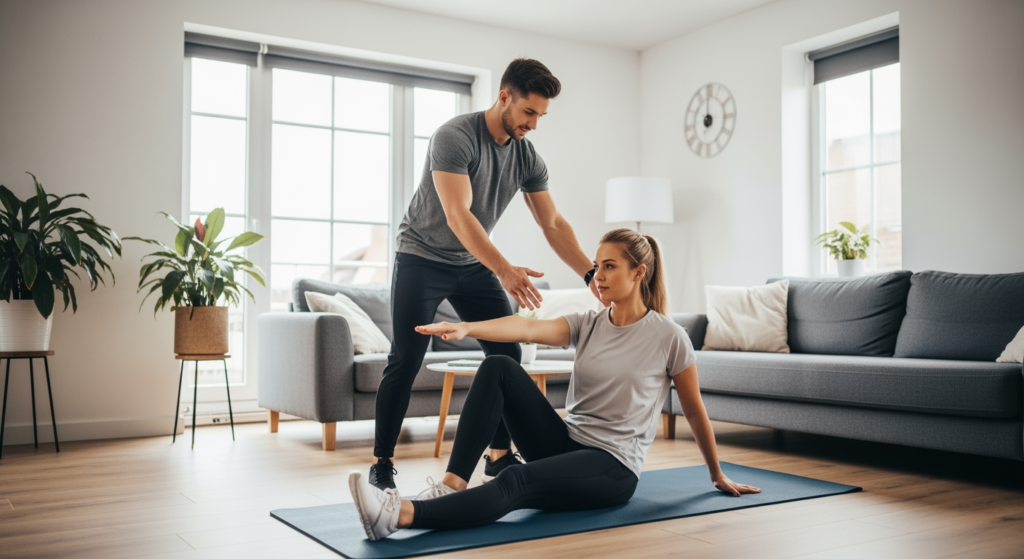
When I first hired an At Home Personal Trainer, I didn’t expect the simple changes to ripple into every part of my week. The right in-home coach can turn crowded schedules into consistent progress, and they can do it while keeping safety and long-term health front of mind—exactly what organisations like the NHS recommend when building a sustainable fitness habit. If you live in the city or nearby neighbourhoods and want a practical, realistic route to better fitness at home, this guide walks you through what matters, what to avoid, and what to expect.
Why people choose an at-home personal trainer
When life gets busy, the easiest thing to drop is exercise. That’s where an at-home personal trainer becomes valuable: they remove travel time, offer personalised attention, and adapt workouts to the space and equipment you already have. People hire in-home trainers for lots of reasons—rehabilitation after injury, time constraints, privacy, or simply the desire for one-to-one coaching without the gym crowd. From strength building to fat loss to improving mobility, a trainer who comes to you brings a level of accountability and structure that frees you to focus on results.
Top benefits you’ll actually notice
Over the years I’ve tracked what clients mention most after a few weeks of in-home training. You can expect improvements in energy, better sleep, movement confidence, and faster learning of safe exercise technique. Because sessions are personalised, progress tends to be faster than following random online videos. Here are the most common wins:
- Time saved by skipping travel and setup
- Programs tailored to your home environment and goals
- Hands-on correction of technique to reduce injury risk
- Motivation that keeps you consistent
How the right trainer tailors sessions
A good at-home personal trainer starts with a clear assessment: current fitness, movement quality, injury history, goals, and the space and equipment available. From there they design progressive sessions that blend strength, mobility, cardiovascular work, and recovery. Expect them to adapt sets, reps, and exercise choice based on your feedback and progress. If you need rehab-friendly options, they’ll prioritise safe ranges of motion and build strength around weak links rather than forcing generic exercises.
What to ask when interviewing trainers in this area
Choosing a trainer is a bit like hiring a contractor for your home—you want experience, trustworthiness, and clear communication. Here are the most useful questions I recommend asking during a short phone call or first meeting. These questions cut through fluff and reveal how the trainer builds long-term results.
- What is your formal training, and do you have experience with clients who have similar goals?
- How would you assess my current fitness and design an initial programme?
- Which exercises would you prioritise given my space and any physical limitations?
- What happens between sessions to keep me progressing?
How to set up your home workout space
You don’t need a garage gym to get strong, but a safe, organised corner makes sessions more effective. I help clients pick simple, multipurpose tools that deliver the biggest return on investment. If you have a little space in a living room or bedroom, focus on mobility, bodyweight strength and a few pieces of kit for resistance. Minimal, targeted equipment lets your trainer program meaningful progress without clutter.
Equipment I recommend
Start with a compact kit that covers strength, cardio, and mobility. A trainer will make the most of these items while keeping sessions varied and progressive.
- Adjustable dumbbells or kettlebells for progressive loading
- Resistance bands for warm-ups, activation and rehab work
- A mat for floor work and mobility
- A jump rope or step for short cardio bursts
Example 30-day at-home plan for busy people
Consistency beats perfection. Below is a simple, balanced plan you can expect a trainer to adapt for your fitness level. It blends strength, movement, and short cardio sessions that fit into a busy week. Your trainer will scale reps, load and rest to match your goals.
Week structure: two full-body strength sessions, one mobility/active recovery, and two short cardio or conditioning sessions. Aim for 30–45 minutes per strength session and 15–25 minutes for conditioning days.
- Strength A: Squat pattern, hinge, push, core
- Strength B: Lunges, pull or row variation, overhead work, posterior chain
- Conditioning: 10–15 minute interval circuits or brisk interval walks
- Mobility: foam rolling, dynamic stretches, and targeted mobility drills
Safety and injury prevention
Safety is non-negotiable. A professional trainer checks movement patterns before adding load and coaches technique every rep so you’re building strength without risking injury. They should also teach you how to self-monitor—recognising when pain signals a problem rather than normal training discomfort. If you have a history of injury or a specific condition, your trainer should either have experience working with similar cases or work with your healthcare provider to ensure a safe approach.
Tracking progress without overwhelm
Progress tracking doesn’t have to be complicated. The best trainers use simple, consistent measures that reflect your goals: repeating a benchmark workout, tracking strength numbers, measuring movement quality, or noting how daily activities feel easier. I encourage clients to pick one or two meaningful metrics and revisit them every 4 weeks. Small wins add up and keep motivation steady.
Pricing and value: what to expect
In-home training often costs more than gym-based sessions because a trainer brings a service to your door. Rather than viewing it as an expense, I encourage clients to compare the value: personalised programming, time saved, and faster progress. Many trainers offer packages with reduced per-session rates and hybrid models that combine in-person sessions with remote check-ins to keep costs manageable and hold you accountable between visits.
Trends shaping at-home personal training
The fitness landscape is always shifting. Two trends I see shaping at-home training are hybrid coaching and wearable tech integration. Hybrid coaching mixes occasional in-person sessions with remote guidance, which keeps momentum high without a huge price tag. Wearable devices and simple apps now let trainers monitor heart rate zones, track steps, and log workouts, giving precise feedback that helps tweak sessions for better results. These trends make at-home training more data-driven and flexible than ever.
How trends improve your program
Using a wearable or training app helps your trainer personalise intensity and recovery. For example, data on sleep and heart rate variability can tell your trainer whether to push volume or prioritise recovery. Hybrid coaching keeps you accountable between visits, often with brief video check-ins and weekly programming that can be completed on your own. These modern tools increase efficiency and help maintain momentum even when life gets unpredictable.
Common myths debunked
There are a few persistent myths about training at home. Myth one: you can’t build serious strength without a full gym. Not true. With progressive loading, leverage, and creative programming, you can make substantial gains. Myth two: virtual or in-home training lacks accountability. The right coach will keep you accountable through regular check-ins, habit coaching and measurable goals. Myth three: at-home training is only for beginners. Trainers who specialise in advanced programming can tailor complex phases like hypertrophy or power work for the home environment.
How to make the most of your first month
Your first month sets the tone. Be honest about your schedule and consistent with sessions. Communicate clearly: say when a workout felt too hard, where you felt joint discomfort, or what exercises you enjoyed. Share daily habits like sleep, stress and nutrition as they influence recovery. A trainer who listens will make small weekly adjustments that stack into real progress.
Questions trainers should ask you
During the consultation, look for trainers who ask detailed questions about your history and lifestyle. Useful questions include: how many hours you sleep, any previous injuries, your job demands, your food habits, and what activities you enjoy. A trainer who understands your life will design a plan that fits real-world constraints and keeps you consistent.
When in-person training is the smart choice
In-person sessions are ideal if you want hands-on correction, are new to resistance training, or have a specific rehabilitation need. They’re also great if you struggle with motivation when left to train alone. That said, many people find hybrid or remote-first models very effective and more affordable while still giving quality coaching and accountability.
Final thoughts before you book
Finding the right at-home personal trainer is about matching personality, expertise and practical fit. Look for clear communication, a structured approach to progress, and practical solutions for your schedule and space. A great trainer will help you set realistic milestones, celebrate small wins and adapt as your life changes. The most successful clients are the ones who treat coaching as an investment in time and consistency rather than a quick fix.
Ready to take the next step? If you want personalised support, local expertise, and a trainer who will design programs that work around your life, reach out to KB Personal Training for a consultation. They can help craft an in-home plan that fits your goals and gets you moving with confidence.