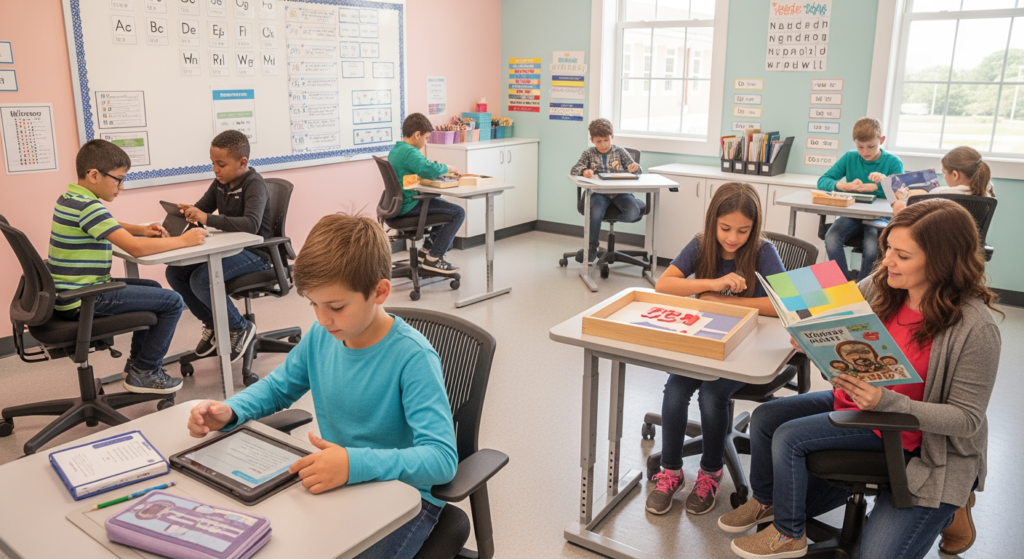
When families start searching for options, they often type the phrase private school for dyslexia Georgia into a search box and feel overwhelmed by choices and jargon. I get that—choosing a school feels huge, and you want clear, practical information. For a quick look at federal guidance on special education and dyslexia-related support, I also recommend the U.S. Department of Education homepage at U.S. Department of Education which offers helpful background on rights, evaluations, and supports.
Why a Specialized School Can Make a Big Difference
Not all schools are set up the same when it comes to teaching reading. For children with dyslexia, the difference between a general classroom and a school that focuses on structured literacy can be dramatic. In specialized programs you’ll usually see teachers trained in multisensory, explicit instruction that follows the science of reading. That means lessons are systematic, cumulative, and directly teach how letters connect to sounds and how words are built.
Beyond the academics, a private school focused on dyslexia offers a learning environment built around strengths and challenges. Class sizes are often smaller, schedules can be more flexible, and there’s more time for individualized instruction. That combination helps many students not only catch up with reading skills but also gain confidence and a positive relationship with learning.
What a Typical Day Looks Like at a Dyslexia-Focused School
Every program is different, but you can expect a few consistent elements in schools that specialize in dyslexia. Instruction is usually delivered in short, focused blocks with lots of repetition and practice. Teachers use multisensory techniques where students see, say, trace, and manipulate letters and words. Work is individualized based on regular assessments so students progress at a pace that fits their needs.
Support services often include speech-language therapy, occupational therapy, and counseling. Technology is used purposefully—text-to-speech, audiobooks, and specialized apps help students access grade-level content while they build decoding skills. The goal is to give both skills and strategies so kids can read with independence over time.
Common Methods and Approaches
When I visit successful programs, I notice these hallmarks:
- Structured literacy approaches like Orton-Gillingham that teach phonology, phonics, syllable types, morphology, and syntax in a step-by-step way.
- Daily, targeted reading practice with immediate feedback and corrective instruction.
- Use of assistive technology to reduce the barrier between decoding and comprehension while skills develop.
- Frequent progress monitoring so parents and teachers know what’s working and what needs adjustment.
How to Evaluate Schools in Georgia
Choosing the right school means asking practical questions and watching how a school answers them. I suggest visiting in person and looking for clear evidence of structured literacy, trained staff, and measurable progress. Here’s a short checklist you can use during visits or phone calls.
- Ask about teacher training and certifications specific to dyslexia and structured literacy.
- Request sample lesson plans or an outline of the literacy curriculum so you can see how instruction is sequenced.
- Inquire about class size and daily schedule to make sure your child will get enough focused time.
- Ask how the school measures progress and how often families receive updates.
Questions to Ask on a School Tour
When you tour a school, conversation matters more than marketing materials. Here are direct questions that reveal how the program really works: How does the school identify reading strengths and gaps? Who delivers remediation services and what qualifications do they hold? Can the school show reading level gains for past students? What supports exist for math, writing, or testing accommodations? These questions help separate schools that are sincere about dyslexia from those using it as a label.
Practical Steps to Take Before Enrollment
There are concrete steps families can take so the move into a private program is smooth and effective. Start with a recent, comprehensive educational evaluation: a current reading assessment and a full psychoeducational or educational evaluation when possible. Bring records from any previous school, including IEP or 504 plans, and test scores. That documentation gives a new school a starting point and avoids repeating old work.
Plan a transition meeting before your child’s first day. That meeting should include academic goals, strategies your child finds helpful, and a communication plan with parents so progress is clear. Finally, consider what support your child needs emotionally. New schools can mean new routines and social dynamics; planning for those changes reduces stress and helps learning.
At-Home Strategies That Reinforce School Learning
I encourage families to focus on quality and consistency at home rather than long hours of drill. Little, meaningful habits add up quickly.
- Read aloud to your child daily even as they practice reading independently. Hearing fluent reading builds comprehension and vocabulary.
- Use audiobooks paired with print to support decoding while building background knowledge and stamina.
- Create predictable routines for homework and review so learning becomes part of the day rather than a battle.
- Celebrate effort and progress with specific praise about strategies used, not just correct answers.
Costs, Financial Aid, and Funding Options in Georgia
Private tuition is a real consideration for many families. Costs vary widely depending on school location, services offered, and program intensity. Tuition can be partially offset by scholarships, sliding-scale tuition, or private grants from local foundations. Some families explore public school options like contract services or tuition vouchers if available, or seek reimbursement where state programs allow. If cost is a concern, ask every school about specific financial aid options and whether they can help identify outside funding.
Working with Public Schools and Legal Rights
Moving to a private program doesn’t mean you lose sight of your child’s rights in the public system. If your child previously had an IEP or 504 plan, keep copies and stay informed about state policies that affect eligibility and funding. In many cases, collaboration between the private school and the local public district benefits the student, especially for standardized testing accommodations and transition planning. It’s helpful to know your rights and usual timelines so nothing falls through the cracks.
What Success Looks Like
Success at a dyslexia-focused school isn’t only measured by reading scores. Yes, growth in decoding, fluency, and comprehension is critical, but so is improved confidence, engagement, and independence. Families often tell me the best indicators are when their child volunteers to read, manages homework without tears, and uses strategies learned at school when reading outside of class. Those are practical, everyday wins that show lasting change.
Trends to Watch in Dyslexia Education
Two trends are shaping programs right now. First is a renewed emphasis on the science of reading, which means schools are more focused on evidence-based instruction and systematic skills sequencing. Second is the rise of assistive technology and AI tools that support reading access. Tools that convert text to speech, provide word recognition support, or scaffold writing are becoming standard in classrooms. When used thoughtfully, these technologies help children access grade-level content while they build decoding skills.
How I Help Families Narrow Choices Quickly
When I work with parents, we narrow schools by focusing on three things: the daily literacy routine, the school’s evidence of student growth, and the fit for the child’s personality and learning style. Visits, short trials, and conversations with current families provide insight you can’t get from a brochure. Look for schools that welcome questions, offer clear assessment data, and include families as partners in the learning process.
Final Checklist Before You Decide
Use this short checklist the week before enrollment or as you finalize your decision. Make sure the school has a written plan for assessment and instruction, confirm how the school communicates progress, verify any services your child needs such as speech therapy or counseling, and clarify tuition and financial aid details. If the school can walk you through a typical month of instruction and show real growth stories, that’s a positive sign.
Choosing a private school for dyslexia in Georgia is a big step, but it can also be the start of a child’s turnaround in reading and self-confidence. If you want a place that pairs skilled instruction with compassionate support, consider visiting programs in the Atlanta area and nearby communities like Decatur, Buckhead, and Sandy Springs to see what feels right. A thoughtful match between child and school makes all the difference for long-term success.
If you’re ready to learn more about tailored programs and schedules in the area, visit The Sage School to explore options and next steps.