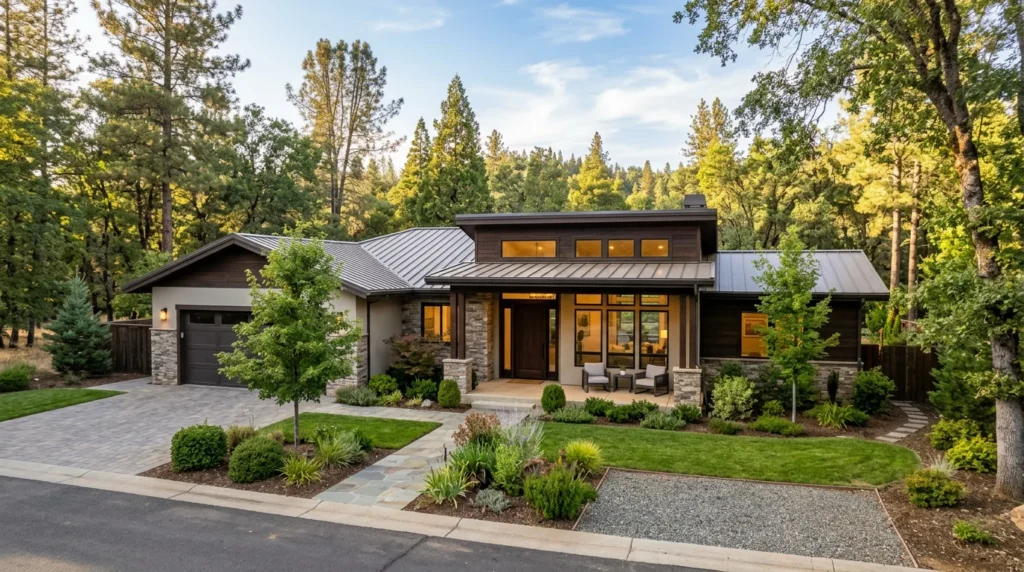
Quick answer: Start by narrowing neighborhoods and lot types, then screen each listing for insurance feasibility, access, and rebuild history. In Paradise, pay close attention to defensible space, roof and vents, water/sewer connections, and whether the home sits on a previously affected lot. Confirm permits for additions, verify utility status, and use inspections to surface roof, drainage, and systems risks before you write an offer.
Start With Location, Access, And Insurance Reality
Search results can look similar, but Paradise varies a lot by road access, slope, tree density, and proximity to services. Before you fall in love with finishes, map the commute, check how many routes get you in and out, and notice whether the street feels narrow or heavily wooded. Those everyday details also affect emergency access and ongoing maintenance.
Insurance is a practical filter, not an afterthought. As you browse houses for sale Paradise CA, call an insurance agent early with the address and basic specs (roof type, year built, distance to hydrant if known). Ask what documentation they’d want (roof age proof, photos, mitigation details) and whether any wildfire-mitigation features may affect eligibility or price. The California Department of Insurance publishes consumer guidance on homeowners insurance and wildfire risk, and many carriers publish their own mitigation checklists; use those as neutral baselines for what underwriters may ask about.
Also ask how utilities are set up. Some properties rely on septic, some on sewer; water can be district or well depending on the area and the specific parcel. Knowing what’s already connected (and what needs repair or verification) helps you compare homes on true total cost, not just list price.
Paradise-specific due-diligence workflow (quick, concrete): (1) Pull permit history and finals through the Butte County Building Department (counter or online portal, if available) and match it to what you see on-site. (2) Verify parcel basics (APN, zoning, legal description) through the Butte County Assessor/Recorder and GIS maps. (3) Confirm water provider by address with Paradise Irrigation District or the applicable local district; confirm sewer service through the Town of Paradise sewer utility or verify septic status through county environmental health records. (4) If the home was rebuilt, request the certificate of occupancy/final inspection sign-offs and any defensible-space or wildfire-hardening documentation the seller has. (5) Run an insurance pre-check with at least one admitted carrier and ask what conditions would be required before binding coverage.
Walk-Away Or Renegotiate Red Flags With Next Actions
These triggers are meant to keep you from “hoping it’s fine.” If one shows up, either renegotiate with a clear remedy or pause until you can verify the facts.
Red flags (with next action): (1) Uninsurable or only unaffordable coverage options → call your insurance agent the same day; request a written eligibility/quote indication and ask what mitigation or documentation would change the outcome. (2) Unknown septic vs. sewer status → request seller disclosures and any pumping/inspection records; call Butte County Environmental Health and the local sewer utility to confirm service; schedule a septic inspection if applicable. (3) Missing final permits for additions/ADU/garage conversion → pull the permit record at the Butte County Building Department; request permit numbers and finals from the seller; consider a contractor consult on cost to legalize or remove. (4) Roof near end of life (typical asphalt shingles often 15–30 years depending on product and conditions) → request install date/invoice; have a licensed roofer inspect and provide a repair/replace estimate; use it for credits or price adjustment.
(5) Drainage slopes toward the foundation or standing water after irrigation/rain → request a drainage evaluation; consult a grading/drainage contractor; ask for scope and cost before removing contingencies. (6) Electrical panel looks undersized or shows overheating (scorching, buzzing, warm breakers) → hire a licensed electrician for a load calculation and safety check; request permits for past electrical work. (7) Signs of water intrusion (ceiling stains, musty odor, soft subfloor) → order a home inspection plus targeted moisture/mold evaluation if indicated; request repair receipts and disclosure of prior leaks. (8) Foundation movement indicators (stair-step cracks, doors that won’t latch, sloped floors) → consult a structural engineer for an opinion letter and repair options. (9) Propane, generator, or heating system with unclear maintenance history → request service records; call the propane supplier about tank ownership/lease terms; have HVAC inspected. (10) Access or boundary uncertainty (shared drive, unclear easements, fence not matching lines) → ask title/escrow for the easement documents; consider a survey if the boundary affects use or value.
Before Touring, Before Offer, During Escrow: A Buyer Checklist
Before touring: shortlist homes by commute and road access, then do an insurance pre-check on your top 3–5 addresses. Pull basic parcel info (APN, zoning) and scan permit history for major work that should have finals. Confirm whether the property is on sewer or septic and whether water is district or well so you’re not comparing apples to oranges.
Before writing an offer: send the listing agent a focused question set and request documents up front. Build in contingency time for any specialist inspections suggested by the property (roof, septic, well, chimney, structural, drainage). If the home appears rebuilt or heavily renovated, require permit finals/certificate of occupancy in writing as part of your investigation.
During escrow: schedule inspections early, then verify disclosures against what inspectors find. Re-check insurance with the inspection findings (roof condition, electrical notes, mitigation features) before you remove contingencies. Confirm utility accounts and any required transfers (propane, water, sewer) so you’re not surprised at closing.
Sample questions to email Paradise listing agents: “Is the home on sewer or septic, and do you have any recent septic/well reports?” “Who is the water provider, and is water currently connected/active?” “Can you provide permit numbers and finaled inspections for any additions, remodels, electrical, roof, HVAC, or rebuild work?” “Approximate roof age and any invoices/warranties available?” “Any known drainage issues or past water intrusion?” “Any wildfire-hardening or defensible-space work completed, and do you have receipts/photos?” “Are there any easements, shared driveways, or access agreements affecting the property?”
How To Get Local Help Without Losing Control Of The Process
The fastest way to avoid surprises is to run the same verification steps on every finalist property and keep your “walk-away list” handy. If a seller can’t document core items—insurance viability, utilities, permits, and condition—treat that as risk that needs a price adjustment or a firm repair plan before you proceed.
A local pro can also help you coordinate timing so your insurance calls, permit checks, and inspections happen early enough to matter. That’s less about pressure and more about sequencing: you want facts in hand before deadlines lock you in.
If you want help setting up the checklist, pulling the right records, and keeping escrow on track in Paradise, reach out to Brent McCarthy Realtor.