Quick answer: It’s usually time to replace your windows when you’re feeling drafts, seeing condensation between panes, struggling to open or lock them, or noticing soft/rotted frames. Higher energy bills can be a clue, but comfort and function matter more. If you’ve already tried basic fixes like weatherstripping and the problems keep returning, full replacement is often the cleaner, longer-lasting solution.
Clear Signs Your Windows Are Past Simple Repairs
Most window problems start small, then turn into repeat headaches. Drafts you can feel around the sash, rattling on windy days, and rooms that won’t hold temperature are common red flags. If you’ve replaced weatherstripping and still feel air movement, the issue is often warped frames, worn balances, or poor sealing that a patch won’t truly solve.
Use condensation to diagnose the failure type. Fog or droplets trapped between double-pane glass usually means the seal has failed. Moisture on the room-side glass points more to indoor humidity. A quick check: wipe the glass—if it clears, it’s on the surface; if it stays hazy, it’s likely between panes. Many homeowners start researching residential window replacement at this point because resealing rarely restores the window’s original performance for long.
Also pay attention to operation and security. Windows that stick, won’t stay open, or don’t latch tightly are more than annoyances—they can signal frame movement, balance failure, or swelling from moisture. If you see peeling paint, soft wood, or crumbling trim near the sill, treat it as a water-management problem, not just a cosmetic one. In Georgia, high humidity and long cooling seasons can amplify comfort complaints and surface condensation, while storm-driven rain can exploit small exterior gaps and turn them into leaks.
Repair vs. Replace: A Practical Way to Decide
Repairs make sense when the window is structurally sound and the issue is isolated: torn weatherstripping, a broken lock, a damaged screen, or a small exterior caulk gap. If the frame is solid and the glass seal is intact, a targeted fix can buy you time.
Quick decision checklist
Fog between panes = seal failure → plan for glass unit replacement or full window replacement (especially if multiple windows show it).
Soft wood you can dent with a screwdriver = likely rot → address water entry and expect replacement, not caulk-only repairs.
Repeated seasonal sticking after lubrication = frame movement/swelling → if it returns each hot/humid season, replacement is often more reliable than repeated adjustments.
Water stains at the sill or bubbling paint = recurring moisture → investigate flashing/trim and consider replacement if the frame is compromised.
Drafts that persist after new weatherstripping = poor fit/warping → replacement usually solves the comfort issue better than more foam and caulk.
Replacement tends to be the better call when problems stack up: multiple windows with failed seals, recurring leaks at the sill, widespread rot, or chronic sticking that comes back each season. Georgia sun exposure can also matter—windows that take intense afternoon sun often show faster seal breakdown and comfort issues, so prioritizing those elevations first can make sense.
If you’re unsure, do a simple check on a breezy day: run your hand around the edges and listen for whistling. Look for daylight at the corners, test the lock alignment, and inspect the exterior for cracked caulk and gaps in the trim. These clues help you separate a maintenance item from a window that’s reached the end of its service life.
What to Expect During a Typical Replacement
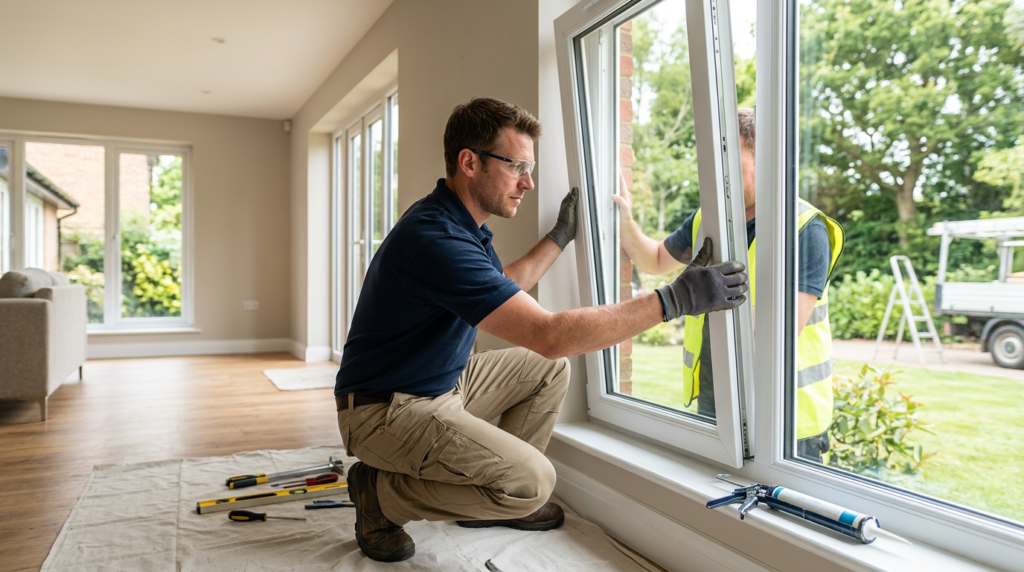
Most projects start with measuring and confirming what you have: frame type, opening size, and how the existing window is integrated with siding and trim. That integration matters because good results depend on water control—proper flashing, a level opening, and a tight perimeter seal—more than on the glass alone.
Timelines are estimates, and the schedule changes with the scope. Many straightforward jobs run over one or more days, but duration can swing based on (1) the number of windows being replaced, (2) whether you’re doing insert/pocket replacements versus full-frame replacements (full-frame usually takes longer because trim and flashing details are rebuilt), and (3) how much hidden rot repair is uncovered once the old unit comes out. For older homes, lead-safe work practices can also add setup and cleanup time.
Expect some noise and dust, and plan to move blinds, curtains, and nearby furniture. Afterward, check that each window opens smoothly, locks without forcing, and has an even reveal (the gap around the sash looks consistent). A clean caulk line and properly finished trim are good signs the details were handled carefully.
If you want help evaluating your windows and choosing a sensible replacement plan, Georgia Home Windows is a local place to start.